
Our Northampton office has been moved.

Blog

Proper Shoes for Baby’s Growing Feet

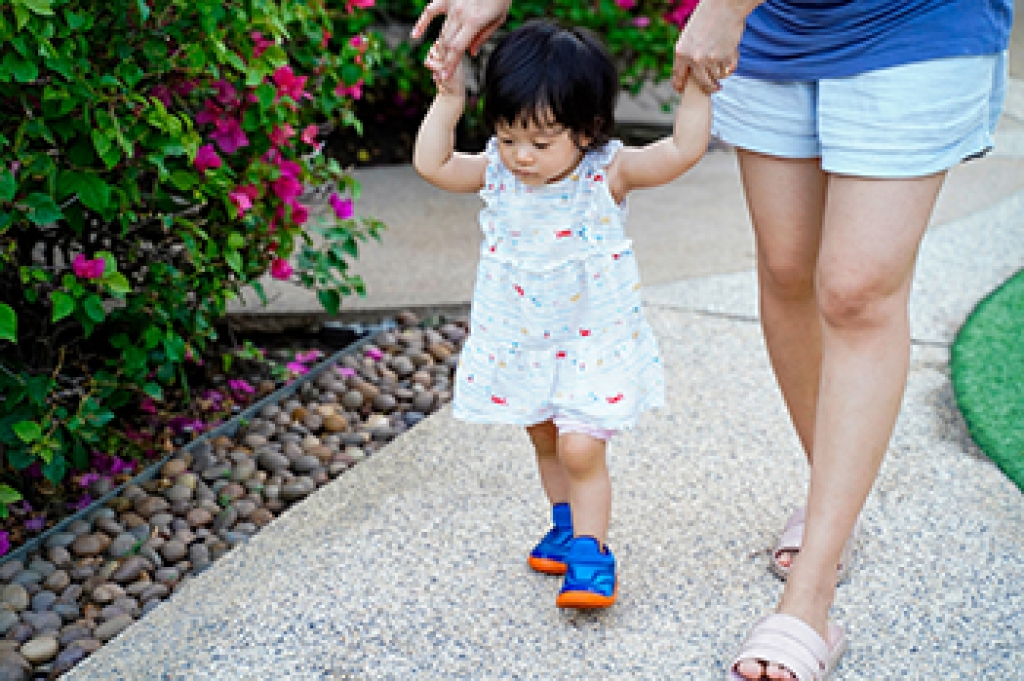
A baby’s feet develop best when they have room to move. Before a baby begins walking outdoors, shoes are unnecessary. In fact, bare feet allow the toes to bend and help foot muscles grow stronger on safe indoor surfaces. Socks provide warmth, but they should not squeeze the toes. Once a child starts walking outdoors, shoes protect the feet from rough ground, sharp objects, and hot surfaces. A toddler’s first pair should be light, flexible, and shaped like the child’s foot. A firm heel area can provide stability without making the shoe stiff.

Proper fit is important because babies and toddlers cannot always explain discomfort. There should be about a finger’s width of space between the longest toe and the shoe’s front. The toe box should let the toes spread without rubbing. Shoes should fit securely at the heel without pinching or slipping. Choose a flexible, non-skid sole that bends near the ball of the foot. Fasteners should keep the shoe in place during play. Parents should check the fit monthly because young feet grow quickly. Red marks, blisters, or changes in walking can signal that the shoes are too tight. Secondhand shoes can be a poor choice because they may already be shaped to another child’s foot.

Podiatric care is helpful when a child frequently trips, avoids walking, or appears to have foot pain. A podiatrist can examine a child’s feet and watch how the child stands and walks. This can identify any problems with balance, foot position, or movement. The podiatrist also can measure both feet and explain which shoe shape offers enough space and support. Some toddlers have one foot that is larger, so shoes should fit the larger foot. An exam can determine whether unusual wear patterns relate to the shoes or foot development. For guidance on proper footwear for an active toddler, it is suggested that you schedule an appointment with a podiatrist who can help you to choose the right shoes for your child. 

The health of a child’s feet is vital to their overall well-being. If you have any questions regarding foot health, contact Dr. Edward D. Hutson of Easton, PA. . Our doctor can provide the care you need to keep you pain-free and on your feet.

Tips for Keeping Children's Feet Healthy

  • Make sure their shoes fit properly
  • Look for any signs of in-toeing or out-toeing
  • Check to see if they have Clubfoot (condition that affects your child’s foot and ankle, twisting the heel and toes inward) which is one of the most common nonmajor birth defects.
  • Lightly cover your baby’s feet (Tight covers may keep your baby from moving their feet freely, and could prevent normal development)
  • Allow your toddler to go shoeless (Shoes can be restricting for a young child’s foot)
  • Cut toenails straight across to avoid ingrown toenails
  • Keep your child’s foot clean and dry
  • Cover cuts and scrapes. Wash any scratches with soap and water and cover them with a bandage until they’ve healed.

If you have any questions, please feel free to contact our offices located in Easton, and Northampton, PA . We offer the newest diagnostic and treatment technologies for all your foot care needs.

Read more about How to Care for Your Child's Feet

Why Live with Pain and Numbness in Your Feet?

Suffering from this type of pain? You may have the foot condition known as Morton's neuroma. Morton's neuroma may develop as a result of ill-fitting footwear and existing foot deformities. We can help.

Plantar Fasciitis Can Make Every Step Painful

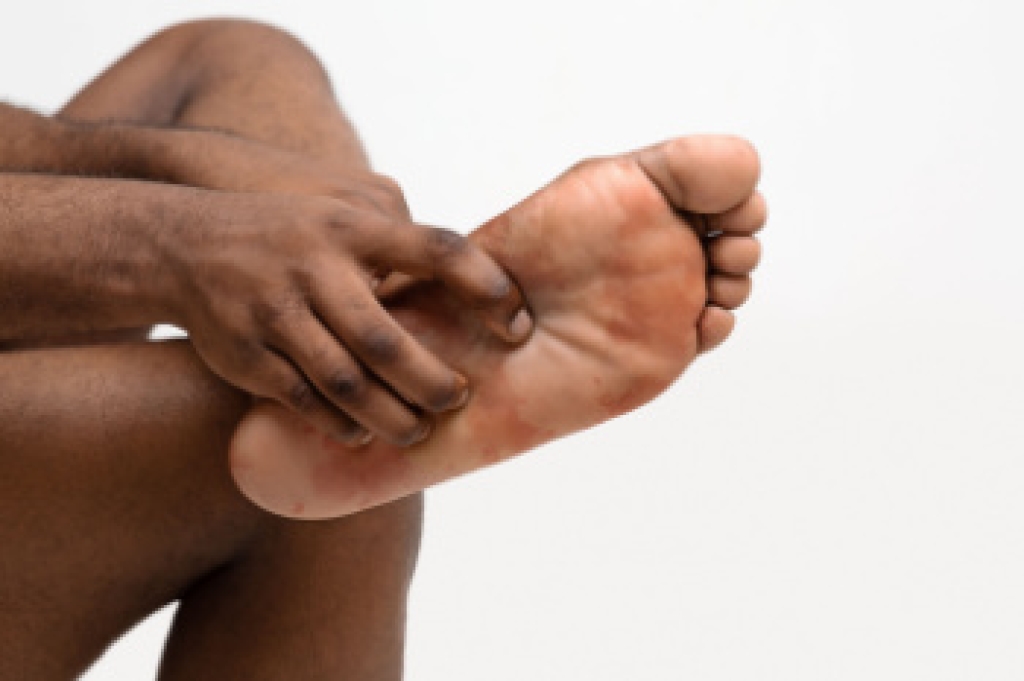
Plantar fasciitis causes pain where a band of tissue runs along the bottom of the foot, from the heel toward the toes. This tissue supports the arch and absorbs pressure. Repeated strain can irritate it and lead to sharp heel pain. Discomfort is usually strongest with the first steps after getting out of bed or standing after a long rest. It can ease once the foot begins moving, then return after extended standing or activity. Tight calf muscles, changes in activity, and excess body weight can increase strain. Shoes that lack proper support can add stress to the heel and arch.

A podiatrist can determine whether plantar fasciitis is causing the pain or another foot problem is responsible. The examination includes checking the tender area, the arch, and movement in the foot and ankle. The podiatrist may also watch how the patient stands and walks. X-rays can help rule out a fracture, arthritis, or another bone problem. Other imaging can be ordered when the source of pain remains unclear. An accurate diagnosis matters because heel pain can also result from a pinched nerve, damaged heel pad, or stress fracture.

Treatment focuses on reducing pressure, improving support, and allowing the irritated tissue to heal. A podiatrist can recommend fitted shoes and prescribe custom orthotics to improve how pressure moves across the foot. A night splint can hold the foot in a position that reduces morning pain. The podiatrist can also provide a guided stretching plan and monitor progress. Most cases improve without surgery, although recovery can take several months. Persistent pain may require further treatment. Surgery is rarely recommended and is reserved for severe symptoms that do not respond to other care. Follow-up visits help the podiatrist adjust treatment and address problems that could cause the pain to return. If you have heel pain, it is suggested that you schedule an appointment with a podiatrist who can accurately diagnose and treat plantar fasciitis.

Plantar fasciitis is a common foot condition that is often caused by a strain injury. If you are experiencing heel pain or symptoms of plantar fasciitis, contact Dr. Edward D. Hutson from Easton, PA. . Our doctor can provide the care you need to keep you pain-free and on your feet.

What Is Plantar Fasciitis?

Plantar fasciitis is one of the most common causes of heel pain. The plantar fascia is a ligament that connects your heel to the front of your foot. When this ligament becomes inflamed, plantar fasciitis is the result. If you have plantar fasciitis you will have a stabbing pain that usually occurs with your first steps in the morning. As the day progresses and you walk around more, this pain will start to disappear, but it will return after long periods of standing or sitting.

What Causes Plantar Fasciitis?

  • Excessive running
  • Having high arches in your feet
  • Other foot issues such as flat feet
  • Pregnancy (due to the sudden weight gain)
  • Being on your feet very often

There are some risk factors that may make you more likely to develop plantar fasciitis compared to others. The condition most commonly affects adults between the ages of 40 and 60. It also tends to affect people who are obese because the extra pounds result in extra stress being placed on the plantar fascia.

Prevention

  • Take good care of your feet – Wear shoes that have good arch support and heel cushioning.
  • Maintain a healthy weight
  • If you are a runner, alternate running with other sports that won’t cause heel pain

There are a variety of treatment options available for plantar fasciitis along with the pain that accompanies it. Additionally, physical therapy is a very important component in the treatment process. It is important that you meet with your podiatrist to determine which treatment option is best for you.

If you have any questions, please feel free to contact our offices located in Easton, and Northampton, PA . We offer the newest diagnostic and treatment technologies for all your foot care needs.


Read more about Plantar Fasciitis

Do Your Child's Feet Hurt?

Have your child's feet been examined lately? Healthy feet are happy feet. If your child is complaining of foot pain, it may be a sign of underlying problems.

What Causes Lumps on the Toe

A lump on the toe can develop for many reasons and may appear on the top, bottom, or side of the toe. The lump may feel hard, soft, or tender, depending on its cause. Some bumps are painless and remain small, while others can become painful while walking or wearing shoes. Common causes include bunions, tailor's bunions, and other structural changes. 

A bunion is a common source of a noticeable bump near the base of the big toe. It develops when the big toe gradually shifts toward the smaller toes while the joint moves outward. A tailor's bunion, also called a bunionette, develops near the base of the little toe, and can create a bump along the outside of the foot. Hallux rigidus is another possible cause of a hard bump near the big toe joint. This condition involves arthritis and stiffness of the joint, which can make bending the big toe painful or difficult. Symptoms may include redness, swelling, and discomfort when shoes press against the affected area.


Several factors can increase the likelihood of developing lumps on the toes. Genetics and inherited foot structure may contribute to bunions and other alignment problems. Shoes with a narrow toe box can place repeated pressure on the toes and may worsen existing deformities. Arthritis, abnormal foot mechanics, and prolonged standing can also contribute. People who develop recurring corns or calluses may notice thickened areas that feel like lumps. 


A podiatrist can examine a toe lump and determine whether it is related to bone alignment, joint changes, pressure, skin thickening, or another condition. The evaluation may include checking the location, joint movement, and overall foot structure. If you have a hard, soft, or growing lump on your toe, it is suggested that you consult a podiatrist for an accurate diagnosis and appropriate treatment.

Toe pain can disrupt your daily activities. If you have any concerns, contact Dr. Edward D. Hutson of Easton, PA. . Our doctor can provide the care you need to keep you pain-free and on your feet.

What Causes Toe Pain?

Most severe toe pain is caused due to a sports injury, trauma from dropping something heavy on the toe, or bumping into something rigid. Other problems can develop over time for various reasons.

Toe pain can be caused by one or more ailments. The most common include:

  • Trauma
  • Sports injury
  • Wearing shoes that are too tight
  • Arthritis
  • Gout
  • Corns and calluses
  • Hammertoe
  • Bunions
  • Blisters
  • Ingrown toenails
  • Sprains
  • Fractures (broken bones)
  • Dislocations

When to See a Podiatrist

  • Severe pain
  • Persistent pain that lasts more than a week
  • Signs of infection
  • Continued swelling
  • Pain that prevents walking

Diagnosis

In many cases the cause of toe pain is obvious, but in others, a podiatrist may want to use more advanced methods to determine the problem. These can range from simple visual inspections and sensation tests to X-rays and MRI scans. Prior medical history, family medical history, and any recent physical traumatic events will all be taken into consideration for a proper diagnosis.

Treatment

Treatments for toe pain and injuries vary and may include shoe inserts, padding, taping, medicines, injections, and in some cases, surgery. If you believe that you have broken a toe, please see a podiatrist as soon as possible.

If you have any questions please contact our offices located in Easton, and Northampton, PA . We offer the newest diagnostic and treatment technologies for all your foot and ankle needs.

Read more about Toe Pain
Connect with us