
Our Northampton office has been moved.

Blog

What Can I Do to Prevent Falling?

As we age, the risk of falling increases. Falls are the leading cause of injuries in adults over the age of 65 in the United States. Fortunately, there are measures that you can take to help keep you on your feet. It is important to maintain a healthy lifestyle, and this includes exercising regularly. Strength and resistance training, improving your balance, and walking are all great forms of lighter exercise that can keep you fit, and therefore less likely to fall. Modifying the living environment to reduce tripping hazards can also lower your risk of falling, as most falls happen in the home. Wearing the right shoes will give your feet the support you need while going about your daily activities. It is also important to see your doctors for regular checkups. For more information about preventing falls, consult with a podiatrist today.

Preventing falls among the elderly is very important. If you are older and have fallen or fear that you are prone to falling, consult with Dr. Edward D. Hutson from Easton, PA. . Our doctor will assess your condition and provide you with quality advice and care.

Every 11 seconds, an elderly American is being treated in an emergency room for a fall related injury. Falls are the leading cause of head and hip injuries for those 65 and older. Due to decreases in strength, balance, senses, and lack of awareness, elderly persons are very susceptible to falling. Thankfully, there are a number of things older persons can do to prevent falls.

How to Prevent Falls

Some effective methods that older persons can do to prevent falls include:

  • Enrolling in strength and balance exercise program to increase balance and strength
  • Periodically having your sight and hearing checked
  • Discuss any medications you have with a doctor to see if it increases the risk of falling
  • Clearing the house of falling hazards and installing devices like grab bars and railings
  • Utilizing a walker or cane
  • Wearing shoes that provide good support and cushioning
  • Talking to family members about falling and increasing awareness

Falling can be a traumatic and embarrassing experience for elderly persons; this can make them less willing to leave the house, and less willing to talk to someone about their fears of falling. Doing such things, however, will increase the likelihood of tripping or losing one’s balance. Knowing the causes of falling and how to prevent them is the best way to mitigate the risk of serious injury.  

If you have any questions, please feel free to contact our offices located in Easton, and Northampton, PA . We offer the newest diagnostic and treatment technologies for all your foot care needs.

Read more about Falls Prevention

Are You Suffering From Ingrown Toenails?

If left untreated, an ingrown toenail can lead to more serious concerns, such as an infection. Knowing proper nail care can help in the prevention of an ingrown toenail. Give us a call, and get treated!

Laser Surgery for Plantar Warts

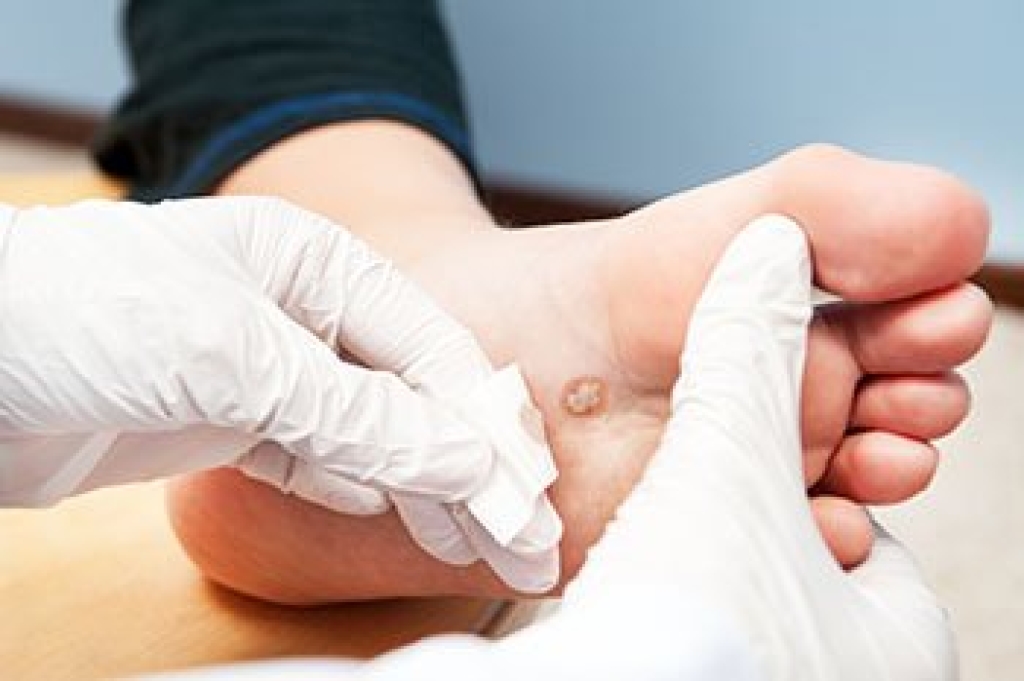
Plantar warts are warts that occur on the bottom of the foot. There are many different treatments for these warts, such as topical medications and freezing the warts off with liquid nitrogen. If these treatments have failed, or if the warts are large and widespread, laser surgery to remove the warts may also be an option. During this procedure, a beam of light is aimed at the foot to destroy the wart tissue. Anesthesia may be used to minimize pain. If you have plantar warts, it is suggested that you consult with a podiatrist to find the right treatment for you. 

Plantar warts can be very uncomfortable. If you need your feet checked, contact Dr. Edward D. Hutson from Easton, PA. . Our doctor will assist you with all of your foot and ankle needs.

About Plantar Warts

Plantar warts are the result of HPV, or human papillomavirus, getting into open wounds on the feet. They are mostly found on the heels or balls of the feet.

While plantar warts are generally harmless, those experiencing excessive pain or those suffering from diabetes or a compromised immune system require immediate medical care. Plantar warts are easily diagnosed, usually through scraping off a bit of rough skin or by getting a biopsy.

Symptoms

  • Lesions on the bottom of your feet, usually rough and grainy
  • Hard or thick callused spots
  • Wart seeds, which are small clotted blood vessels that look like little black spots
  • Pain, discomfort, or tenderness of your feet when walking or standing

Treatment

  • Freezing
  • Electric tool removal
  • Laser Treatment
  • Topical Creams (prescription only)
  • Over-the-counter medications

To help prevent developing plantar warts, avoid walking barefoot over abrasive surfaces that can cause cuts or wounds for HPV to get into. Avoiding direct contact with other warts, as well as not picking or rubbing existing warts, can help prevent the further spread of plantar warts. However, if you think you have developed plantar warts, speak to your podiatrist. He or she can diagnose the warts on your feet and recommend the appropriate treatment options.

If you have any questions, please feel free to contact our offices located in Easton, and Northampton, PA . We offer the newest diagnostic and treatment technologies for all your foot care needs.

Read more about What Are Plantar Warts?

Wounds That Don't Heal Need to Be Checked

Your feet are covered most of the day. If you're diabetic, periodic screening is important for good health. Numbness is often a sign of diabetic foot and can mask a sore or wound.

Three Grades of Ankle Sprains

The foot injury that is known as an ankle sprain often produces severe pain and discomfort. It can occur as a result of suddenly twisting the ankle beyond its normal range, which can affect the ligaments. There are three types of ankle sprains. These are categorized into grades, with grade one consisting of minor ligament tears. The patient is often able to walk, and may experience minimal pain. Bruising and swelling may accompany a grade two sprain that is often tender when touched. A complete ligament tear can be indicative of a grade three sprain which makes walking difficult. Many ankle sprains can be prevented when you wear shoes that fit properly, and it can help to warm up and cool down before and after exercising. If you have sprained your ankle, it is strongly suggested that you confer with a podiatrist who can help you with proper treatment techniques.

Ankle sprains are common but need immediate attention. If you need your feet checked, contact Dr. Edward D. Hutson from Easton, PA. . Our doctor can provide the care you need to keep you pain-free and on your feet.

How Does an Ankle Sprain Occur?

Ankle sprains take place when the ligaments in your ankle are torn or stretched beyond their limits. There are multiple ways that the ankle can become injured, including twisting or rolling over onto your ankle, putting undue stress on it, or causing trauma to the ankle itself.

What Are the Symptoms?

  • Mild to moderate bruising
  • Limited mobility
  • Swelling
  • Discoloration of the skin (depending on severity)

Preventing a Sprain

  • Wearing appropriate shoes for the occasion
  • Stretching before exercises and sports
  • Knowing your limits

Treatment of a Sprain

Treatment of a sprain depends on the severity.  Many times, people are told to rest and remain off their feet completely, while others are given an air cast. If the sprain is very severe, surgery may be required.

If you have suffered an ankle sprain previously, you may want to consider additional support such as a brace and regular exercises to strengthen the ankle.

If you have any questions please feel free to contact our offices located in Easton, and Northampton, PA . We offer the newest diagnostic tools and technology to treat your foot and ankle needs.

Read more about Ankle Sprains
Connect with us