


You don't need an excuse to have beautiful nails. Step outside without worrying about the appearance of your feet.
You don't need an excuse to have beautiful nails. Step outside without worrying about the appearance of your feet.
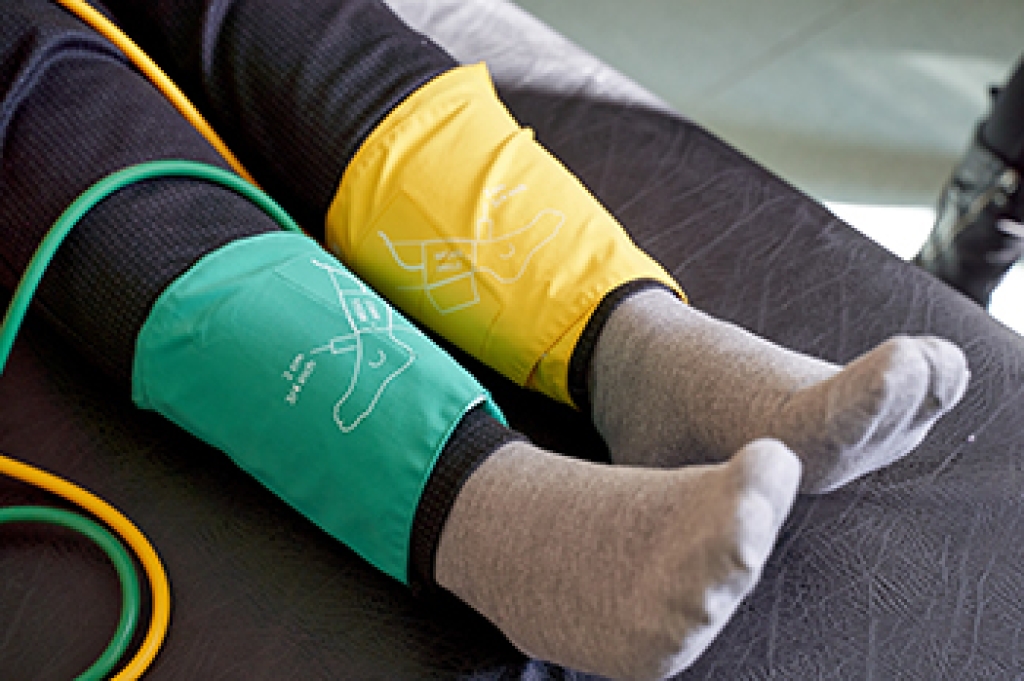
Peripheral artery disease, or PAD, is a circulatory condition that occurs when narrowed arteries reduce blood flow to the limbs, especially the legs and feet. Limited circulation restricts oxygen and nutrients needed for healthy tissue, which can lead to slow healing, skin changes, and increased risk of infection. Individuals may notice cramping, cold feet, color changes, or decreased or absent pulses in the feet. Risk factors include smoking, high blood pressure, diabetes, high cholesterol, and a sedentary lifestyle. Without proper care, complications may become serious and affect mobility. If you have symptoms of PAD in your feet, it is suggested that you consult a podiatrist who can evaluate circulation, monitor foot health, and coordinate care to prevent complications.
Peripheral artery disease can pose a serious risk to your health. It can increase the risk of stroke and heart attack. If you have symptoms of peripheral artery disease, consult with Dr. Edward D. Hutson from Easton, PA. . Our doctor will assess your condition and provide you with quality foot and ankle treatment.
Peripheral artery disease (PAD) is when arteries are constricted due to plaque (fatty deposits) build-up. This results in less blood flow to the legs and other extremities. The main cause of PAD is atherosclerosis, in which plaque builds up in the arteries.
Symptoms
Symptoms of PAD include:
It is important to note that a majority of individuals never show any symptoms of PAD.
Diagnosis
While PAD occurs in the legs and arteries, Podiatrists can diagnose PAD. Podiatrists utilize a test called an ankle-brachial index (ABI). An ABI test compares blood pressure in your arm to you ankle to see if any abnormality occurs. Ultrasound and imaging devices may also be used.
Treatment
Fortunately, lifestyle changes such as maintaining a healthy diet, exercising, managing cholesterol and blood sugar levels, and quitting smoking, can all treat PAD. Medications that prevent clots from occurring can be prescribed. Finally, in some cases, surgery may be recommended.
If you have any questions, please feel free to contact our offices located in Easton, and Northampton, PA . We offer the newest diagnostic and treatment technologies for all your foot care needs.

Do you suffer from heel pain when you get up in the morning? If so, you should seek professional help and have a proper diagnosis performed. Heel pain can be caused by several different foot-related conditions.
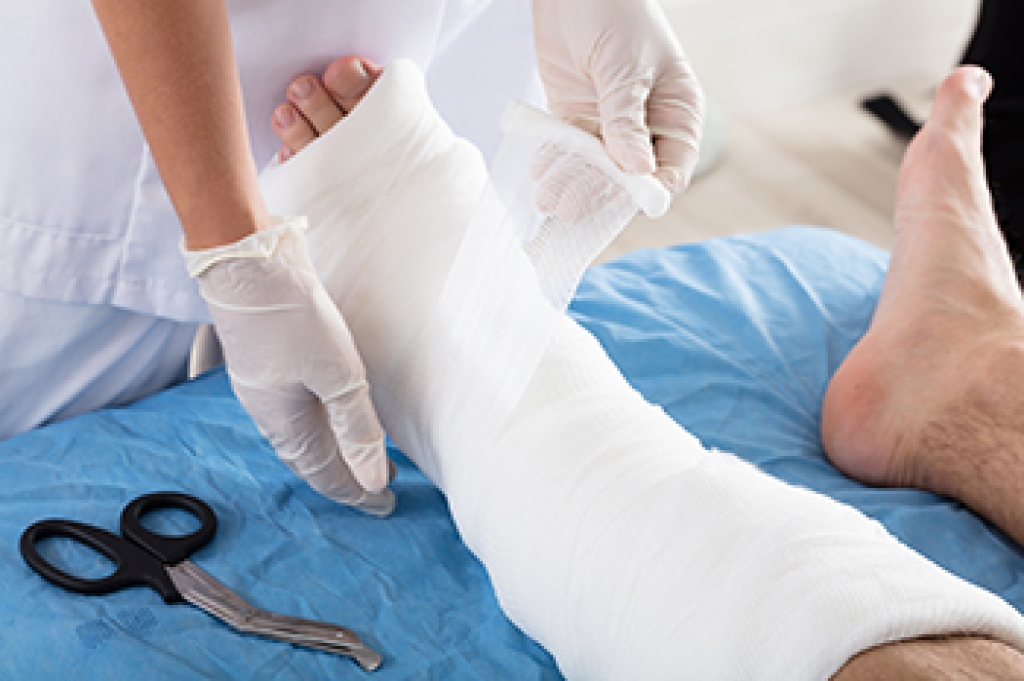
Wounds on the feet can develop for many reasons. Diabetes, poor circulation, nerve damage, pressure points, in addition to wearing ill-fitting shoes, surgery, and trauma can all break the skin and slow healing. Treatment often includes wound cleaning, infection control, specialized dressings, and sometimes antibiotics or advanced therapies. Offloading is just as important as these treatments. Offloading means reducing pressure on the wounded area so new tissue can form. This may involve a surgical shoe, removable boot, cast, custom insert, or temporary padding. When pressure continues, wounds reopen or fail to heal, even with good care. Proper offloading allows blood flow to improve and inflammation to settle. It also helps prevent deeper infection and further breakdown. Following offloading instructions at home is essential. Walking barefoot or skipping use of devices can reverse progress. Early care often improves outcomes. If you have sustained any kind of foot wound, it is suggested that you see a podiatrist for proper treatment and care.
Wound care is an important part in dealing with diabetes. If you have diabetes and a foot wound or would like more information about wound care for diabetics, consult with Dr. Edward D. Hutson from Easton, PA. . Our doctor will assess your condition and provide you with quality foot and ankle treatment.
What Is Wound Care?
Wound care is the practice of taking proper care of a wound. This can range from the smallest to the largest of wounds. While everyone can benefit from proper wound care, it is much more important for diabetics. Diabetics often suffer from poor blood circulation which causes wounds to heal much slower than they would in a non-diabetic.
What Is the Importance of Wound Care?
While it may not seem apparent with small ulcers on the foot, for diabetics, any size ulcer can become infected. Diabetics often also suffer from neuropathy, or nerve loss. This means they might not even feel when they have an ulcer on their foot. If the wound becomes severely infected, amputation may be necessary. Therefore, it is of the upmost importance to properly care for any and all foot wounds.
How to Care for Wounds
The best way to care for foot wounds is to prevent them. For diabetics, this means daily inspections of the feet for any signs of abnormalities or ulcers. It is also recommended to see a podiatrist several times a year for a foot inspection. If you do have an ulcer, run the wound under water to clear dirt from the wound; then apply antibiotic ointment to the wound and cover with a bandage. Bandages should be changed daily and keeping pressure off the wound is smart. It is advised to see a podiatrist, who can keep an eye on it.
If you have any questions please contact our offices located in Easton, and Northampton, PA . We offer the newest diagnostic and treatment technologies for all your foot and ankle needs.

Custom orthotics, or shoe inserts, should be periodically replaced. Orthotics must fit properly to give you the best results. Protect your feet and ankles!


