


Custom orthotics, or shoe inserts, should be periodically replaced. Orthotics must fit properly to give you the best results. Protect your feet and ankles!
Custom orthotics, or shoe inserts, should be periodically replaced. Orthotics must fit properly to give you the best results. Protect your feet and ankles!
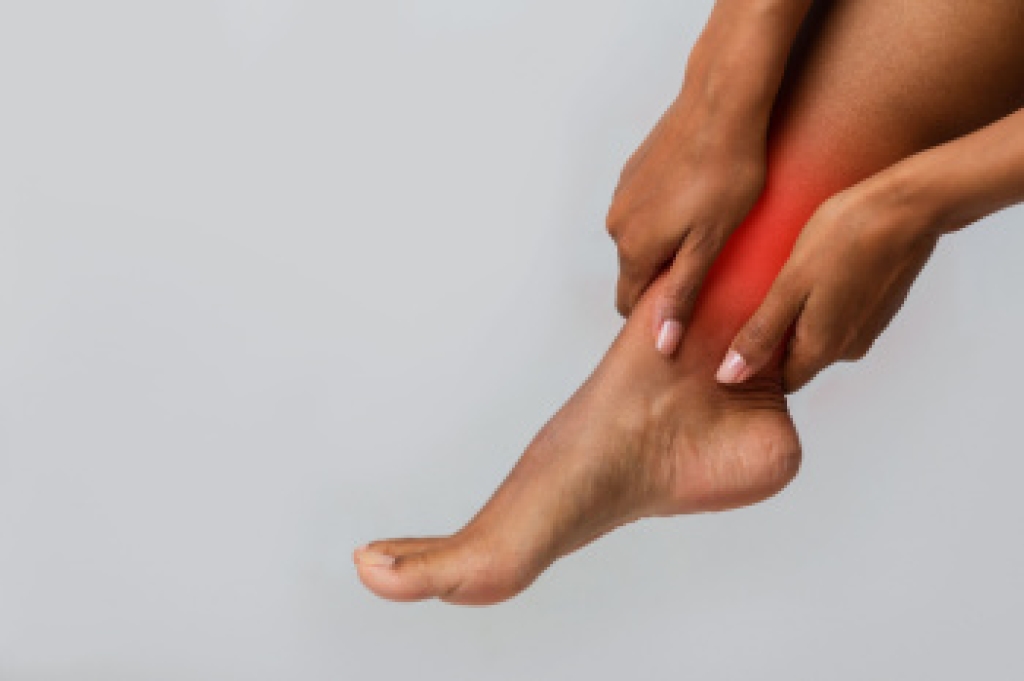
Chronic ankle instability develops when the outer side of the ankle repeatedly gives way, often following previous sprains that did not fully heal. Over time, weakened ligaments and poor joint support can lead to ongoing problems. Common causes include repeated ankle injuries, improper rehabilitation, and footwear that lacks support. Risk factors include high impact activities, uneven surfaces, and poor balance. Symptoms include frequent turning of the ankle, persistent discomfort, swelling, and a feeling of unsteadiness during movement. A podiatrist can evaluate ligament strength, assess gait, and provide treatment such as bracing, custom orthotics, and strengthening exercises. Early intervention can restore stability and prevent further injury. If you have ankle instability or pain, it is suggested that you promptly consult a podiatrist who can offer effective relief and treatment solutions.
Ankle pain can have many different causes and the pain may potentially be serious. If you have ankle pain, consult with Dr. Edward D. Hutson from Easton, PA. . Our doctor will assess your condition and provide you with quality foot and ankle treatment.
Ankle pain is any condition that causes pain in the ankle. Due to the fact that the ankle consists of tendons, muscles, bones, and ligaments, ankle pain can come from a number of different conditions.
Causes
The most common causes of ankle pain include:
Symptoms
Symptoms of ankle injury vary based upon the condition. Pain may include general pain and discomfort, swelling, aching, redness, bruising, burning or stabbing sensations, and/or loss of sensation.
Diagnosis
Due to the wide variety of potential causes of ankle pain, podiatrists will utilize a number of different methods to properly diagnose ankle pain. This can include asking for personal and family medical histories and of any recent injuries. Further diagnosis may include sensation tests, a physical examination, and potentially x-rays or other imaging tests.
Treatment
Just as the range of causes varies widely, so do treatments. Some more common treatments are rest, ice packs, keeping pressure off the foot, orthotics and braces, medication for inflammation and pain, and surgery.
If you have any questions please feel free to contact our offices located in Easton, and Northampton, PA . We offer the newest diagnostic tools and technology to treat your foot and ankle needs.

Suffering from this type of pain? You may have the foot condition known as Morton's neuroma. Morton's neuroma may develop as a result of ill-fitting footwear and existing foot deformities. We can help.
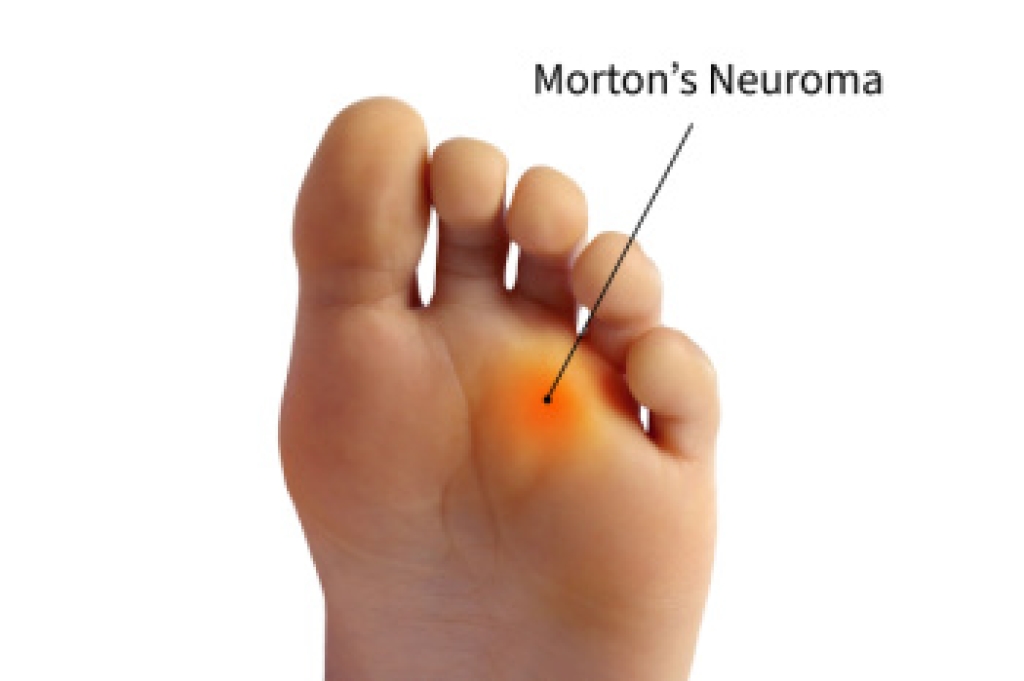
Morton’s neuroma is a condition involving thickening of nerve tissue in the foot, most commonly located between the third and fourth toes. It often causes pain in the ball of the foot that may feel like burning, tingling, or the sensation of standing on a small object. This condition can develop from irritation or compression of the nerve. Common causes include flat feet, high arches, bunions, repetitive sports activities, and wearing tight or narrow shoes. Symptoms may worsen with walking or prolonged standing. Risk factors include wearing improper footwear, foot structure, and repetitive stress. A podiatrist can help by diagnosing the condition, relieving pressure on the nerve, and recommending supportive care. If you have pain in this part of your foot, it is suggested that you consult a podiatrist who can effectively diagnose and treat what may be going on.
Morton’s neuroma is a very uncomfortable condition to live with. If you think you have Morton’s neuroma, contact Dr. Edward D. Hutson of Easton, PA. . Our doctor will attend to all of your foot care needs and answer any of your related questions.
Morton’s Neuroma
Morton's neuroma is a painful foot condition that commonly affects the areas between the second and third or third and fourth toe, although other areas of the foot are also susceptible. Morton’s neuroma is caused by an inflamed nerve in the foot that is being squeezed and aggravated by surrounding bones.
What Increases the Chances of Having Morton’s Neuroma?
Morton’s neuroma is a very treatable condition. Orthotics and shoe inserts can often be used to alleviate the pain on the forefront of the feet. In more severe cases, corticosteroids can also be prescribed. In order to figure out the best treatment for your neuroma, it’s recommended to seek the care of a podiatrist who can diagnose your condition and provide different treatment options.
If you have any questions, please feel free to contact our offices located in Easton, and Northampton, PA . We offer the newest diagnostic and treatment technologies for all your foot care needs.

Have your child's feet been examined lately? Healthy feet are happy feet. If your child is complaining of foot pain, it may be a sign of underlying problems.


