


You don't need an excuse to have beautiful nails. Step outside without worrying about the appearance of your feet.
You don't need an excuse to have beautiful nails. Step outside without worrying about the appearance of your feet.
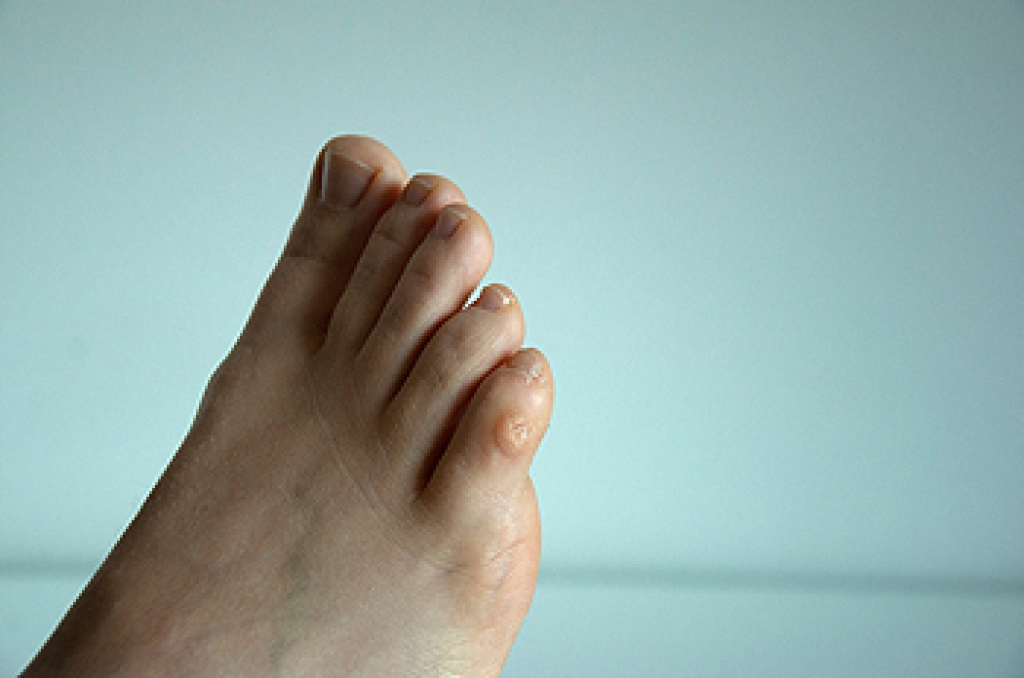
Corns are small, thick areas of skin that develop when repeated pressure or rubbing affects the same spot on the foot. A corn forms a more defined, round shape, often appearing on the top or sides of the toes. It has a hardened core that causes pain. A corn can also develop on the bottom of the foot. Pain can become noticeable while walking or when shoes press against the affected area. Shoes that do not fit correctly are a leading cause. High-heeled shoes can squeeze the toes and increase pressure. Foot structure also plays a role. Bunions, hammertoes, and other changes in foot shape create areas where skin thickens to protect itself from constant friction.
Instead of simply treating the thickened skin, a podiatrist can examine the foot to find the reason the corn developed. This helps identify pressure points and any foot problem causing repeated irritation. Corns usually return when the source of pressure remains. During treatment, a podiatrist can safely remove the thickened skin with specialized instruments. This reduces pain and improves comfort while walking. A podiatrist may also recommend custom orthotics when they are appropriate. These shoe inserts help spread pressure more evenly across the foot. Advice about shoes that fit correctly is another important part of treatment, because proper fit reduces rubbing and helps prevent new corns.
Ignoring a painful corn can change the way you walk, placing extra stress on other parts of the foot and ankle. Continued pressure can also increase discomfort and make daily activities more difficult. Patients with diabetes or poor circulation should never ignore a corn, because even minor skin problems deserve prompt attention. Early diagnosis allows a podiatrist to treat the corn and address the underlying cause before more serious problems develop. If you have foot pain from corns, it is suggested that you schedule an appointment with a podiatrist for effective relief and treatment solutions.
Corns can make walking very painful and should be treated immediately. If you have questions regarding your feet and ankles, contact Dr. Edward D. Hutson of Easton, PA. . Our doctor will treat your foot and ankle needs.
Corns: What Are They? And How Do You Get Rid of Them?
Corns are thickened areas on the skin that can become painful. They are caused by excessive pressure and friction on the skin. Corns press into the deeper layers of the skin and are usually round in shape.
Ways to Prevent Corns
There are many ways to get rid of painful corns such as:
Treating Corns
Although most corns slowly disappear when the friction or pressure stops, this isn’t always the case. Consult with your podiatrist to determine the best treatment option for your case of corns.
If you have any questions, please feel free to contact our offices located in Easton, and Northampton, PA . We offer the newest diagnostic and treatment technologies for all your foot care needs.

Do you suffer from heel pain when you get up in the morning? If so, you should seek professional help and have a proper diagnosis performed. Heel pain can be caused by several different foot-related conditions.
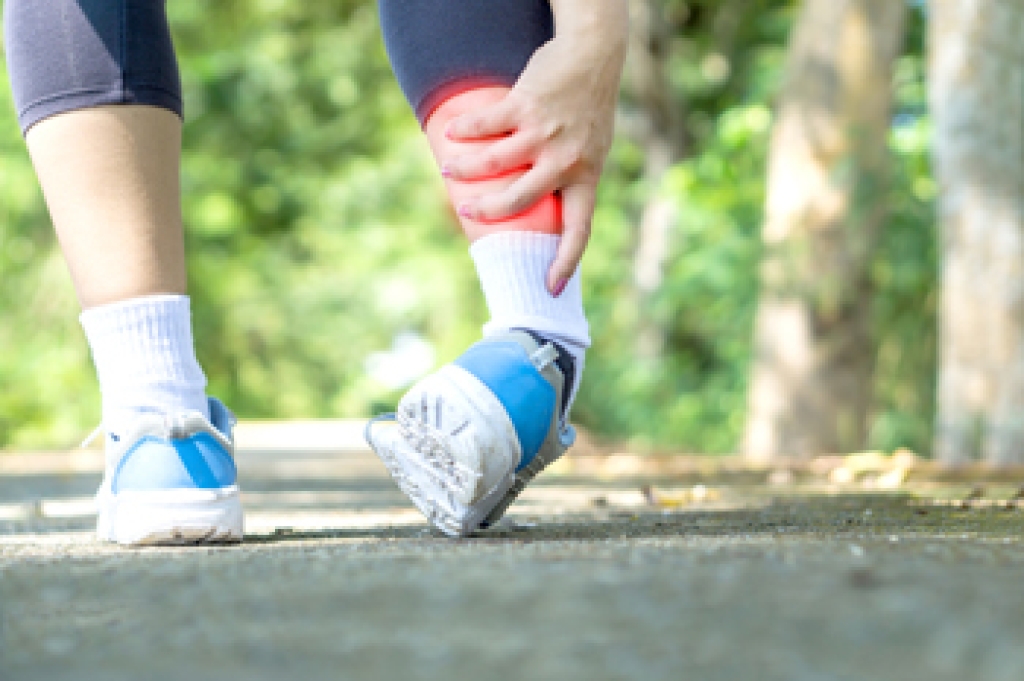
Preventing running injuries begins with understanding how footwear supports the foot during repetitive movement. Running places repeated stress on the bones, joints, and soft tissue structures of the feet. Without proper protection, this stress can lead to common conditions, such as plantar fasciitis, stress fractures, and tendon irritation. Running shoes are designed to reduce impact forces, improve alignment, and provide stability. Selecting the correct pair is one of the most effective ways to reduce injury risk and maintain long-term foot health.
Symptoms of wearing improper footwear develop gradually and include heel pain, arch discomfort, shin pain, or ankle instability. Runners may also notice blisters, calluses, or uneven wear patterns on their shoes. These signs suggest that the foot is not receiving adequate support or shock absorption. Over time, this can increase strain on ligaments and tendons, leading to chronic injury. Recognizing early symptoms allows runners to make timely adjustments before more serious conditions develop.
Several risk factors contribute to running-related injuries. Included are poor shoe fit, worn out footwear, and biomechanical imbalances like flat feet or high arches. Shoes that lack proper cushioning fail to absorb impact, while those without stability features can allow excessive inward or outward foot motion. Motion control and stability shoes are designed to guide the foot into a more neutral position, which helps reduce strain. Matching shoes to an individual's running style and gait pattern is essential for proper support.
Choosing the right running shoe involves proper sizing, adequate arch support, and selecting a design that aligns with your running mechanics. A well-fitted shoe should provide enough room in the toe box while securing the heel. Shock absorbing materials and structured midsoles help protect the foot during impact. A podiatrist can evaluate gait and recommend appropriate footwear based on individual needs. If you have foot pain while running, it is suggested that you consult a podiatrist for effective relief tips and guidance on choosing shoes for pain-free running.
Exercising your feet regularly with the proper foot wear is a great way to prevent injuries. If you have any concerns about your feet, contact Dr. Edward D. Hutson of Easton, PA. . Our doctor will treat your foot and ankle needs.
How to Prevent Running Injuries
Many common running injuries are caused by overuse and overtraining. When the back of the kneecap starts wearing out and starts causing pain in your knee, this is commonly referred to as runner’s knee. Runner’s knee is a decrease in strength in your quadriceps and can occur if you’re not wearing properly fitted or supporting shoes. To prevent runner’s knee, focusing on hip strengthening is a good idea, as well as strengthening your quads to keep the kneecaps aligned.
What Are Some Causes of Running Injuries?
- One cause of a common running injury is called iliotibial band syndrome.
- Plantar fasciitis is also another common injury.
- Stress fractures can occur from overtraining, lack of calcium, or even your running style.
Best Ways to Prevent Running Injuries
- Wear footwear that fits properly and suits your running needs.
- Running shoes are the only protective gear that runners have to safeguard them from injury.
- Make a training schedule. Adding strengthening exercises as well as regular stretching can help keep you strong and limber and can lessen the possibility of injuries.
- Stretching keeps muscles limber; this will help you gain better flexibility.
If you have any questions, please feel free to contact our offices located in Easton, and Northampton, PA . We offer the newest diagnostic and treatment technologies for all your foot care needs.

Custom orthotics, or shoe inserts, should be periodically replaced. Orthotics must fit properly to give you the best results. Protect your feet and ankles!


