Our Northampton office has been moved.

Blog

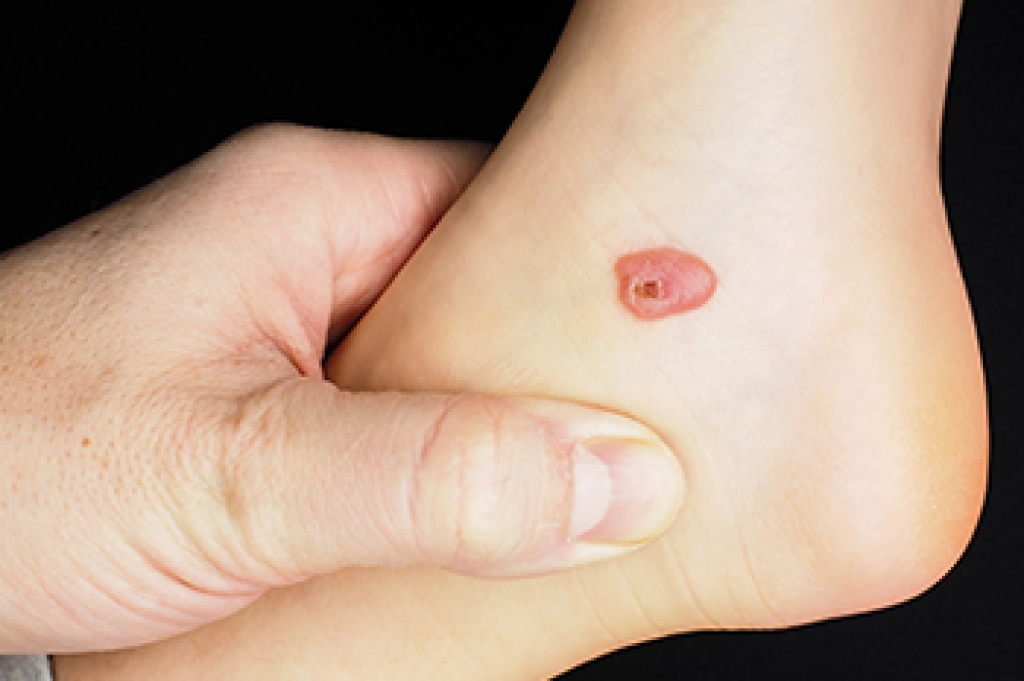
Blistering Foot Lesions in Older Adults

Blistering skin lesions on the feet develop when the outer layer of skin separates due to friction, pressure, or underlying medical conditions. In older adults, these fluid-filled lesions require careful attention because aging skin becomes thinner, less elastic, and more prone to injury. Reduced circulation and slower healing also increase the risk of complications. Common locations include the heels, toes, and soles, where repeated pressure occurs. Identifying blistering early on supports proper care and can help prevent an infection or ulcer from forming. This is especially important in elderly foot-health management.

Symptoms of foot blisters in seniors often include redness, tenderness, swelling, and a visible fluid-filled pocket. Some individuals may experience burning or discomfort while walking, while others may not notice pain due to reduced sensation from nerve-related conditions. As blisters worsen, they may rupture and expose sensitive tissue underneath. Warning signs like increased warmth, drainage, or discoloration may indicate infection. Monitoring these symptoms is essential for maintaining skin integrity and preventing more serious foot conditions.


Several risk factors contribute to blisters in the elderly population. Wearing ill-fitting shoes, prolonged walking, and repetitive pressure are leading causes. Medical conditions like diabetes, peripheral vascular disease, and neuropathy significantly increase vulnerability. Moisture from sweat or improper foot hygiene can weaken the skin barrier, making it easier for blisters to develop. Thin skin and reduced fat padding also decrease natural protection against friction. Understanding these risk factors allows for better prevention strategies and improved foot-care routines.


Proper elderly foot care plays a key role in reducing blister risk and supporting overall foot health. Wearing well fitting, supportive footwear, keeping feet clean and dry, and inspecting the skin daily can prevent complications. Protective padding and moisture control products may also help reduce friction. Early intervention is critical to avoid worsening conditions. If you or if you know of an elderly person who has problems with foot blisters, it is suggested that you consult a podiatrist for effective treatment solutions.

If you need your feet checked, contact Dr. Edward D. Hutson of Easton, PA. . Our doctor will attend to all of your foot and ankle needs and provide you with quality treatment.

Geriatrics and Podiatry
When people age, some common issues that may occur are bone density loss, dry skin, poor circulation, and rough brittle nails. These issues may also affect your foot health if the necessary steps are not taken to alleviate the problems.

It is important to take care of your feet because feet that are injured or diseased can affect your overall health. Having painful feet hinders your ability to do daily activities or may decrease your willingness to do the things that you need to do.

Visiting Your Geriatrician
As we age, health problems become more likely, so it is essential to visit your doctor for check-ups to ensure that you are doing the best you can to take care of your health. It is recommended to check your feet frequently for any possible cuts, bruises, swelling, corns or any other irregularities. 

Taking Care of Elderly Feet
Cracked or dry feet can be treated by applying moisturizer often. It is also important not to wear old socks because the older the sock is, the higher the possibility there will be that there is bacteria there. Wear fresh socks and make sure they fit properly.

Proper foot health means that you can have a more active lifestyle and you will not be bogged down by pain. Foot health also leads to good circulation, which is paramount for overall health.

If you have any questions, please feel free to contact our offices located in Easton, and Northampton, PA . We offer the newest diagnostic and treatment technologies for all your foot care needs.

Read more about Elderly and their Feet

Plantar Warts Can Be Treated!

Plantar warts are small growths that develop on parts of the feet that bear weight. They're typically found on the bottom of the foot. Don't live with plantar warts, and call us today!

Facts on the Symptomatic Accessory Soleus Muscle

The accessory soleus muscle, or ASM, is a rare muscle condition that can cause pain and numbness on the inner side of the ankle, similar to tarsal tunnel syndrome. ASM usually starts from the fibula or soleus muscle and connects to the Achilles tendon or heel bone. It often appears as a small lump or swelling along the inner back of the ankle. An MRI scan is typically used to confirm its presence. Most cases are mild and can be managed by simply observing the symptoms. However, if the pain becomes severe or impacts daily activities, surgery to remove the extra muscle may be considered. If you have this type of muscle pain, it is strongly suggested that you visit a podiatrist for a proper diagnosis and treatment that is right for you.

Achilles tendon injuries need immediate attention to avoid future complications. If you have any concerns, contact Dr. Edward D. Hutson of Easton, PA. . Our doctor can provide the care you need to keep you pain-free and on your feet.

What Is the Achilles Tendon?

The Achilles tendon is a tendon that connects the lower leg muscles and calf to the heel of the foot. It is the strongest tendon in the human body and is essential for making movement possible. Because this tendon is such an integral part of the body, any injuries to it can create immense difficulties and should immediately be presented to a doctor.

What Are the Symptoms of an Achilles Tendon Injury?

There are various types of injuries that can affect the Achilles tendon. The two most common injuries are Achilles tendinitis and ruptures of the tendon.

Achilles Tendinitis Symptoms

  • Inflammation
  • Dull to severe pain
  • Increased blood flow to the tendon
  • Thickening of the tendon

Rupture Symptoms

  • Extreme pain and swelling in the foot
  • Total immobility

Treatment and Prevention

Achilles tendon injuries are diagnosed by a thorough physical evaluation, which can include an MRI. Treatment involves rest, physical therapy, and in some cases, surgery. However, various preventative measures can be taken to avoid these injuries, such as:

  • Thorough stretching of the tendon before and after exercise
  • Strengthening exercises like calf raises, squats, leg curls, leg extensions, leg raises, lunges, and leg presses

If you have any questions please feel free to contact our offices located in Easton, and Northampton, PA . We offer the newest diagnostic tools and technology to treat your foot and ankle needs.

Read more about The Causes, Types, and Treatments of Achilles Tendon Injuries

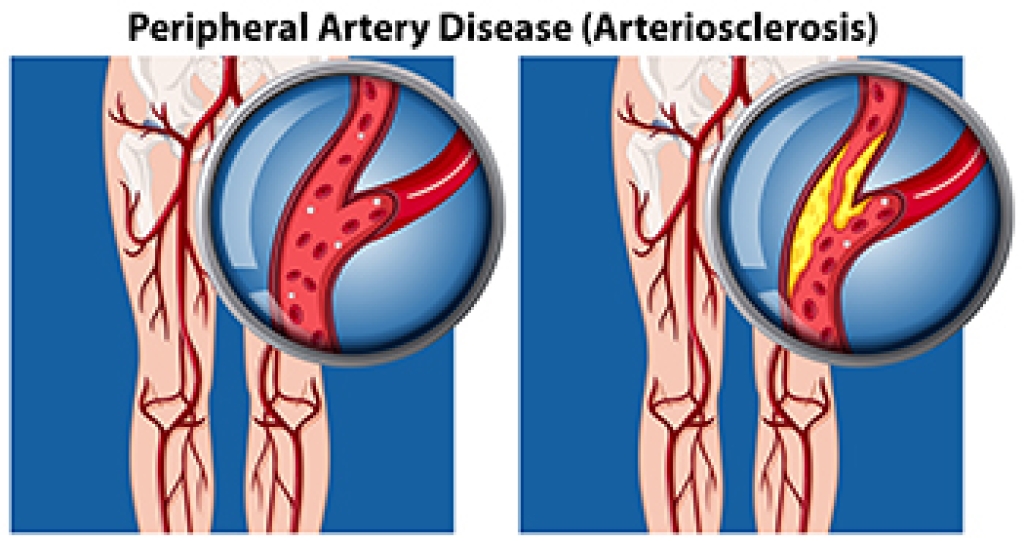
Signs of Peripheral Artery Disease in the Feet

Peripheral artery disease develops when blood flow to the legs and feet becomes reduced, often because arteries become narrowed, over time. In the feet, this may appear as pain during walking that improves with rest, coldness compared with the other foot, and slow-healing sores, in addition to skin color changes, or thinning, fragile skin. Some people notice reduced hair growth on the legs or feet, thickened nails, numbness, or weakness. As circulation worsens, pain may occur even while resting, especially at night. Because reduced blood flow can delay healing and increase the risk of serious complications, early recognition is important. A podiatrist can evaluate circulation, examine skin and nail changes, and identify warning signs that need further medical attention. If you notice foot pain with walking, unexplained wounds, or changes in skin temperature or color, it is strongly suggested that you visit a podiatrist.

Peripheral artery disease can pose a serious risk to your health. It can increase the risk of stroke and heart attack. If you have symptoms of peripheral artery disease, consult with Dr. Edward D. Hutson from Easton, PA. . Our doctor will assess your condition and provide you with quality foot and ankle treatment.

Peripheral artery disease (PAD) is when arteries are constricted due to plaque (fatty deposits) build-up. This results in less blood flow to the legs and other extremities. The main cause of PAD is atherosclerosis, in which plaque builds up in the arteries.

Symptoms

Symptoms of PAD include:

  • Claudication (leg pain from walking)
  • Numbness in legs
  • Decrease in growth of leg hair and toenails
  • Paleness of the skin
  • Erectile dysfunction
  • Sores and wounds on legs and feet that won’t heal
  • Coldness in one leg

It is important to note that a majority of individuals never show any symptoms of PAD.

Diagnosis

While PAD occurs in the legs and arteries, Podiatrists can diagnose PAD. Podiatrists utilize a test called an ankle-brachial index (ABI). An ABI test compares blood pressure in your arm to you ankle to see if any abnormality occurs. Ultrasound and imaging devices may also be used.

Treatment

Fortunately, lifestyle changes such as maintaining a healthy diet, exercising, managing cholesterol and blood sugar levels, and quitting smoking, can all treat PAD. Medications that prevent clots from occurring can be prescribed. Finally, in some cases, surgery may be recommended.

If you have any questions, please feel free to contact our offices located in Easton, and Northampton, PA . We offer the newest diagnostic and treatment technologies for all your foot care needs.

Read more about Peripheral Artery Disease
Connect with us