


Gout is a painful, inflammatory form of arthritis. Those affected will typically feel an intense stiffness in the joints of their feet, particularly in the big toe. Schedule a visit to learn about how gout can be managed and treated.
Gout is a painful, inflammatory form of arthritis. Those affected will typically feel an intense stiffness in the joints of their feet, particularly in the big toe. Schedule a visit to learn about how gout can be managed and treated.
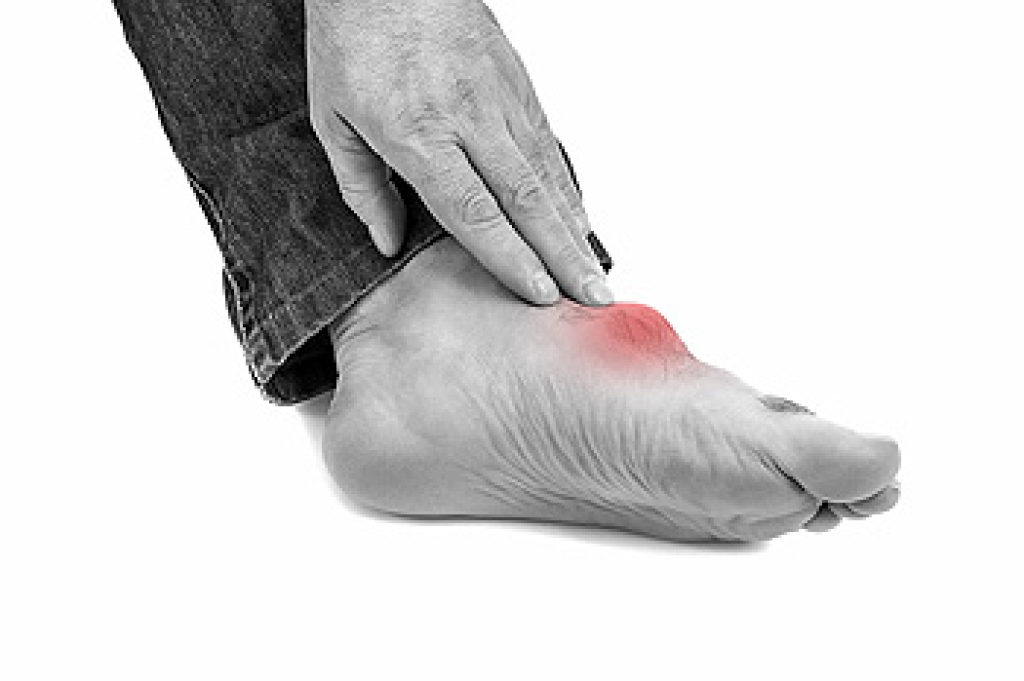
Gout can cause sudden, intense pain in a joint, and the big toe is one of the most frequent areas affected. The condition develops when uric acid builds up in the body and forms tiny crystals inside a joint. These crystals can trigger swelling, redness, and strong tenderness. A gout flare can begin quickly, sometimes reaching its highest level of pain within a day. Gout can also affect the ankle, midfoot, or other joints, making foot pain difficult to identify by symptoms alone. Because several foot problems can cause similar symptoms, a careful evaluation is important.
A podiatrist can assess the painful area and look for signs that fit gout. The evaluation can include a review of symptoms, a physical examination, and testing when the diagnosis is unclear. A blood test can measure urate, which is the form of uric acid found in the blood. However, a normal urate level does not always rule out gout during a flare. In some cases, fluid from the affected joint can be examined for crystals. Imaging tests can also help identify crystal buildup or rule out other causes of joint pain. These steps help guide an appropriate treatment plan and help separate gout from other causes of sudden joint pain.
Treatment for gout focuses on controlling painful flares and lowering the chance of future attacks. A podiatrist can help identify foot and ankle problems related to gout and coordinate care that fits the patient’s needs. Treatment can involve medicines that reduce inflammation during a flare. Long-term care can also involve medicines that lower uric acid and reduce crystal buildup. Managing gout is important because repeated flares can damage joints and lead to firm lumps called tophi, which are collections of urate crystals under the skin. If you have symptoms of gout, it is suggested that you are under the care of a podiatrist who can help you to manage this painful condition.
Gout is a foot condition that requires certain treatment and care. If you are seeking treatment, contact Dr. Edward D. Hutson from Easton, PA. . Our doctor will treat your foot and ankle needs.
What Is Gout?
Gout is a type of arthritis caused by a buildup of uric acid in the bloodstream. It often develops in the foot, especially the big toe area, although it can manifest in other parts of the body as well. Gout can make walking and standing very painful and is especially common in diabetics and the obese.
People typically get gout because of a poor diet. Genetic predisposition is also a factor. The children of parents who have had gout frequently have a chance of developing it themselves.
Gout can easily be identified by redness and inflammation of the big toe and the surrounding areas of the foot. Other symptoms include extreme fatigue, joint pain, and running high fevers. Sometimes corticosteroid drugs can be prescribed to treat gout, but the best way to combat this disease is to get more exercise and eat a better diet.
If you have any questions, please feel free to contact our offices located in Easton, and Northampton, PA . We offer the newest diagnostic and treatment technologies for all your foot care needs.

Have you noticed a bony protrusion on the side of your big toe? If so, you may have developed the foot condition known as a bunion. Don't let bunions interfere with your daily activities.
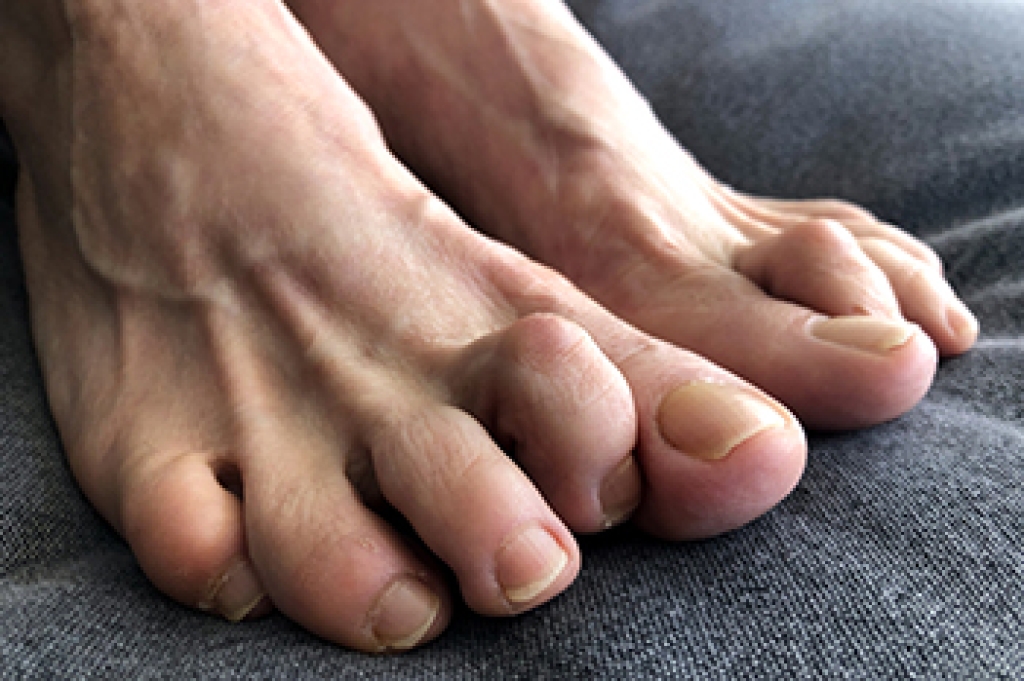
A hammertoe deformity causes one of the smaller toes to bend at its middle joint instead of lying flat. The second toe is affected most frequently, although the condition can develop in other toes. It begins when the muscles and tendons that control the toe become unbalanced. This imbalance pulls the toe into an abnormal position. Possible causes include an inherited foot structure, a previous injury, or arthritis. A bunion can also push against the second toe and increase the risk of hammertoe. The joint can remain flexible at first but can later become stiff and fixed in place.
Symptoms usually develop when the bent toe rubs against the inside of a shoe. Patients can experience pain, redness, and swelling around the raised joint. A corn can form on top of the toe, while a callus can develop beneath the front of the foot. These thickened areas of skin result from repeated pressure and friction. Pain can become worse while walking or when wearing shoes with a narrow toe box. A podiatrist can examine the toe, test its flexibility, and check for related problems. Weight-bearing X-rays can show the position of the bones and the severity of the deformity.
Treatment depends on whether the toe is flexible or rigid and how much discomfort it causes. A podiatrist can recommend shoes with a deep, wide toe box to reduce pressure. Custom orthotics can improve the way weight is spread across the foot. Professional padding or splinting can also protect irritated skin and help position a flexible toe. The podiatrist can safely treat painful corns and calluses without damaging healthy tissue. Early care can help prevent increasing stiffness, skin sores, and continued pain. If you are in pain from a hammertoe deformity, it is suggested that you schedule an appointment with a podiatrist for a diagnosis and appropriate treatment.
Hammertoes can be a painful condition to live with. For more information, contact Dr. Edward D. Hutson of Easton, PA. . Our doctor will answer any of your foot- and ankle-related questions.
Hammertoe
Hammertoe is a foot deformity that occurs due to an imbalance in the muscles, tendons, or ligaments that normally hold the toe straight. It can be caused by the type of shoes you wear, your foot structure, trauma, and certain disease processes.
Symptoms
Risk Factors
Treatment
If you have hammertoe, you should change into a more comfortable shoe that provides enough room for your toes. Exercises such as picking up marbles may strengthen and stretch your toe muscles. Nevertheless, it is important to seek assistance from a podiatrist in order to determine the severity of your hammertoe and see which treatment option will work best for you.
If you have any questions, please feel free to contact our offices located in Easton, and Northampton, PA . We offer the newest diagnostic and treatment technologies for all your foot care needs.

If left untreated, an ingrown toenail can lead to more serious concerns, such as an infection. Knowing proper nail care can help in the prevention of an ingrown toenail. Give us a call, and get treated!


