


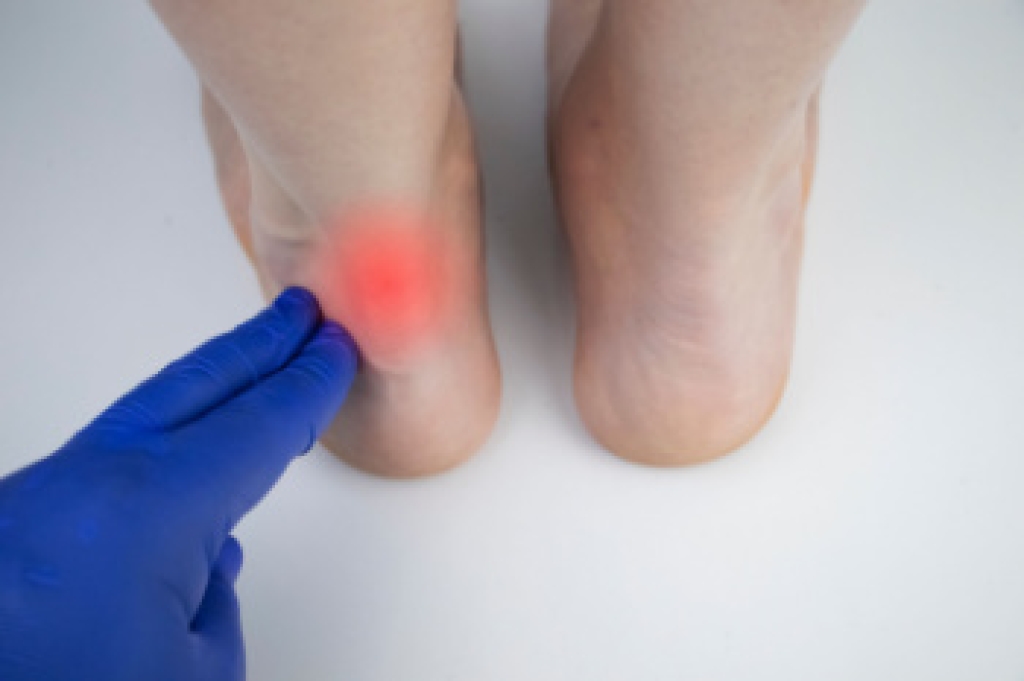
An Achilles tendon injury affects the strong band of tissue that connects the calf muscles to the heel bone. This tendon plays a key role in walking, running, and jumping by allowing the foot to push off the ground. Injuries can range from mild irritation to partial or complete tears. These injuries often develop due to overuse or sudden stress on the tendon. Understanding the definition and causes of Achilles tendon injuries can help individuals take steps to protect their mobility.
Symptoms of an Achilles tendon injury may include pain along the back of the heel, stiffness, and swelling. Discomfort is often worse during activity or after periods of rest. Some individuals notice a tight feeling in the lower leg or difficulty pushing off while walking. In more severe cases, a sudden sharp pain may occur, sometimes described as a snapping sensation. Reduced strength and limited movement can affect daily activities and athletic performance.
Several risk factors contribute to Achilles tendon injuries. Weak calf muscles and ankle instability can increase strain on the tendon during movement. Changes in playing surface, such as moving from soft to hard ground, may place additional stress on the foot and ankle. Wearing high heels regularly can shorten the tendon over time, making it more vulnerable to injury when switching to flat shoes. Other risk factors include sudden increases in physical activity, improper footwear, and inadequate warm up routines.
Preventing Achilles tendon injuries involves strengthening the calf muscles, improving flexibility, and maintaining proper footwear habits. Gradual increases in activity and attention to surface changes can reduce strain on the tendon. Stretching exercises and supportive shoes can help maintain proper alignment and reduce injury risk. Early recognition of symptoms allows for timely care and better outcomes. If you have an Achilles tendon injury, it is suggested that you consult a podiatrist for effective relief and treatment solutions.
Achilles tendon injuries need immediate attention to avoid future complications. If you have any concerns, contact Dr. Edward D. Hutson of Easton, PA. . Our doctor can provide the care you need to keep you pain-free and on your feet.
What Is the Achilles Tendon?
The Achilles tendon is a tendon that connects the lower leg muscles and calf to the heel of the foot. It is the strongest tendon in the human body and is essential for making movement possible. Because this tendon is such an integral part of the body, any injuries to it can create immense difficulties and should immediately be presented to a doctor.
What Are the Symptoms of an Achilles Tendon Injury?
There are various types of injuries that can affect the Achilles tendon. The two most common injuries are Achilles tendinitis and ruptures of the tendon.
Achilles Tendinitis Symptoms
- Inflammation
- Dull to severe pain
- Increased blood flow to the tendon
- Thickening of the tendon
Rupture Symptoms
- Extreme pain and swelling in the foot
- Total immobility
Treatment and Prevention
Achilles tendon injuries are diagnosed by a thorough physical evaluation, which can include an MRI. Treatment involves rest, physical therapy, and in some cases, surgery. However, various preventative measures can be taken to avoid these injuries, such as:
- Thorough stretching of the tendon before and after exercise
- Strengthening exercises like calf raises, squats, leg curls, leg extensions, leg raises, lunges, and leg presses
If you have any questions please feel free to contact our offices located in Easton, and Northampton, PA . We offer the newest diagnostic tools and technology to treat your foot and ankle needs.


