
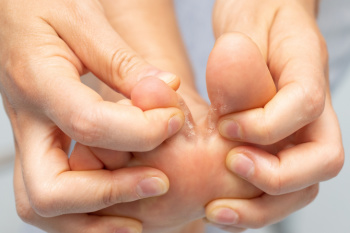
Athlete's foot is a fungal infection that affects the skin on the feet, often leading to itching, redness, and cracking. The fungi typically thrive in warm, damp environments, making communal showers, locker rooms, and swimming pools ideal breeding grounds. Athlete’s foot can spread easily through direct contact with contaminated surfaces or directly from person to person. While cases can sometimes clear up with mild treatments, persistent or severe cases may require professional care. A podiatrist can provide a more accurate diagnosis and recommend treatment options to effectively manage the infection. This may include prescription antifungal medications, guidance on proper foot hygiene, and strategies to prevent recurrence. If you have a troublesome case of athlete's foot, it is suggested that you schedule an appointment with a podiatrist for advanced treatment options.
Athlete’s foot is an inconvenient condition that can be easily reduced with the proper treatment. If you have any concerns about your feet and ankles, contact Dr. Edward D. Hutson from Easton, PA. . Our doctor will treat your foot and ankle needs.
Athlete’s Foot: The Sole Story
Athlete's foot, also known as tinea pedis, can be an extremely contagious foot infection. It is commonly contracted in public changing areas and bathrooms, dormitory style living quarters, around locker rooms and public swimming pools, or anywhere your feet often come into contact with other people.
Solutions to Combat Athlete’s Foot
Athlete’s foot can cause many irritating symptoms such as dry and flaking skin, itching, and redness. Some more severe symptoms can include bleeding and cracked skin, intense itching and burning, and even pain when walking. In the worst cases, Athlete’s foot can cause blistering as well. Speak to your podiatrist for a better understanding of the different causes of Athlete’s foot, as well as help in determining which treatment options are best for you.
If you have any questions please feel free to contact our offices located in Easton, and Northampton, PA . We offer the newest diagnostic and treatment technologies for all your foot and ankle needs.

Do you suffer from heel pain when you get up in the morning? If so, you should seek professional help and have a proper diagnosis performed. Heel pain can be caused by several different foot-related conditions.
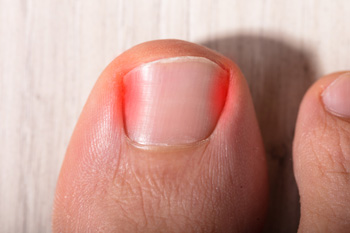
An ingrown toenail occurs when the edge of the nail grows into the surrounding skin, leading to discomfort and potential infection. Symptoms typically include redness, swelling, and pain surrounding the affected toenail. In more severe cases, there might be noticeable pus or a throbbing sensation. The condition often arises from factors such as wearing improperly fitting shoes, which place undue pressure on the toes, or incorrect nail trimming techniques, which can cause the nail to grow inward. Other contributing factors include genetic predisposition and trauma to the toe. Proper nail care, including trimming nails straight across and wearing well-fitted shoes, is essential in preventing ingrown toenails. An ingrown toenail can cause consistent pain and discomfort. If this applies to you, it is strongly suggested that you consult a podiatrist who can determine what the best course of treatment is for you, which may include minor surgery for removal.
Ingrown toenails may initially present themselves as a minor discomfort, but they may progress into an infection in the skin without proper treatment. For more information about ingrown toenails, contact Dr. Edward D. Hutson of Easton, PA. . Our doctor can provide the care you need to keep you pain-free and on your feet.
Ingrown Toenails
Ingrown toenails are caused when the corner or side of a toenail grows into the soft flesh surrounding it. They often result in redness, swelling, pain, and in some cases, infection. This condition typically affects the big toe and may recur if it is not treated properly.
Causes
You are more likely to develop an ingrown toenail if you are obese, have diabetes, arthritis, or have any fungal infection in your nails. Additionally, people who have foot or toe deformities are at a higher risk of developing an ingrown toenail.
Symptoms
Some symptoms of ingrown toenails are redness, swelling, and pain. In rare cases, there may be a yellowish drainage coming from the nail.
Treatment
Ignoring an ingrown toenail can have serious complications. Infections of the nail border can progress to a deeper soft-tissue infection, which can then turn into a bone infection. You should always speak with your podiatrist if you suspect you have an ingrown toenail, especially if you have diabetes or poor circulation.
If you have any questions, please feel free to contact our offices located in Easton, and Northampton, PA . We offer the newest diagnostic and treatment technologies for all your foot care needs.

Custom orthotics, or shoe inserts, should be periodically replaced. Orthotics must fit properly to give you the best results. Protect your feet and ankles!

Running frequently leads to foot injuries, including skin and toenail damage, plantar fasciitis, metatarsalgia, and peroneal tendonitis. Skin conditions like blisters and calluses often arise from friction and improper footwear. Toenail damage, including bruised or ingrown nails, can occur from repetitive impact and tight shoes. Plantar fasciitis, characterized by heel pain and inflammation of the foot's connective tissue, is common among runners. Metatarsalgia causes pain in the ball of the foot due to overuse or poor arch support. Peroneal tendonitis results in pain along the outer side of the ankle from excessive strain. To manage these conditions, rest and appropriate treatment are essential. Wearing well-fitted, supportive shoes, using orthotic inserts, and incorporating stretching and strengthening exercises can help prevent and relieve these common running-related injuries. If you have endured a foot or ankle injury while running, it is suggested that you visit a podiatrist who can effectively treat your foot condition.
Sports related foot and ankle injuries require proper treatment before players can go back to their regular routines. For more information, contact Dr. Edward D. Hutson of Easton, PA. . Our doctor can provide the care you need to keep you pain-free and on your feet.
Sports Related Foot and Ankle Injuries
Foot and ankle injuries are a common occurrence when it comes to athletes of any sport. While many athletes dismiss the initial aches and pains, the truth is that ignoring potential foot and ankle injuries can lead to serious problems. As athletes continue to place pressure and strain the area further, a mild injury can turn into something as serious as a rupture and may lead to a permanent disability. There are many factors that contribute to sports related foot and ankle injuries, which include failure to warm up properly, not providing support or wearing bad footwear. Common injuries and conditions athletes face, including:
Sports related injuries are commonly treated using the RICE method. This includes rest, applying ice to the injured area, compression and elevating the ankle. More serious sprains and injuries may require surgery, which could include arthroscopic and reconstructive surgery. Rehabilitation and therapy may also be required in order to get any recovering athlete to become fully functional again. Any unusual aches and pains an athlete sustains must be evaluated by a licensed, reputable medical professional.
If you have any questions please feel free to contact our offices located in Easton, and Northampton, PA . We offer the newest diagnostic and treatment technologies for all your foot and ankle needs.

Suffering from this type of pain? You may have the foot condition known as Morton's neuroma. Morton's neuroma may develop as a result of ill-fitting footwear and existing foot deformities. We can help.
Suffering from this type of pain? You may have the foot condition known as Morton's neuroma. Morton's neuroma may develop as a result of ill-fitting footwear and existing foot deformities. We can help.
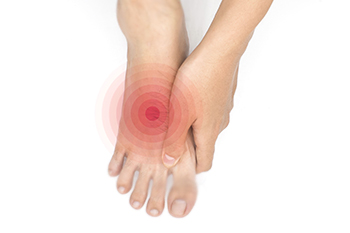
Diabetes can lead to serious complications, including damage to the feet. One common sign is persistent pain, often described as sharp or tingling, which may indicate nerve damage, also known as neuropathy. Another symptom is a burning sensation, particularly in the feet, which can worsen at night. Swelling is also a concern, as it may signal poor circulation or fluid retention, both common in diabetic patients. Changes in skin color, ranging from pale to red or blue, can indicate reduced blood flow or infection. These signs should not be ignored, as diabetic foot damage can lead to ulcers, infections, and in severe cases, amputation. Regular foot inspections, maintaining healthy blood sugar levels, wearing proper footwear, and seeking immediate medical attention for any concerning symptoms are vital steps in managing and preventing diabetic foot complications. If you have diabetes, it is suggested that you are under the care of a podiatrist who can help you to manage this condition.
Diabetic foot care is important in preventing foot ailments such as ulcers. If you are suffering from diabetes or have any other concerns about your feet, contact Dr. Edward D. Hutson from Easton, PA. . Our doctor can provide the care you need to keep you pain-free and on your feet.
Diabetic Foot Care
Diabetes affects millions of people every year. The condition can damage blood vessels in many parts of the body, especially the feet. Because of this, taking care of your feet is essential if you have diabetes, and having a podiatrist help monitor your foot health is highly recommended.
The Importance of Caring for Your Feet
Patients with diabetes should have their doctor monitor their blood levels, as blood sugar levels play such a huge role in diabetic care. Monitoring these levels on a regular basis is highly advised.
It is always best to inform your healthcare professional of any concerns you may have regarding your feet, especially for diabetic patients. Early treatment and routine foot examinations are keys to maintaining proper health, especially because severe complications can arise if proper treatment is not applied.
If you have any questions please feel free to contact our offices located in Easton, and Northampton, PA . We offer the newest diagnostic and treatment technologies for all your foot and ankle needs.

Have your child's feet been examined lately? Healthy feet are happy feet. If your child is complaining of foot pain, it may be a sign of underlying problems.


